FlyByWire Airbus A380-800
Updated 8 November 2026
King of the Air, the double-deck superjumbo is the largest passenger aircraft ever built.
Standard day-to-day procedures for a realistic flight experience.
Preflight
Safety Check
0/3Speed Brake Lever: RETRACTED (Center Pedestal. Speed brake lever must be stowed before power-up.)
Flap Lever: UP (Center Pedestal. Verify flap lever is in the UP detent.)
ENG Mode Selector: NORM (Center Pedestal. Engine mode selector in the NORM position.)
Wipers: OFF (Overhead Panel. Both wipers off.)
Power-Up
0/4Overhead Flow
0/4Oxygen Crew Supply: ON (Overhead Panel. Opens the oxygen valve for the crew masks. Set and forget.)
Strobes: AUTO (Overhead Panel. In AUTO the strobes turn on automatically when airborne and off on the ground.)
Emergency Exit Lights: ARM (Overhead Panel. Floor-path lighting that fires automatically if cabin power drops. Close the guard once armed.)
External Power: OFF (Overhead Panel. Disconnect in order 1-4-3-2 once APU is supplying power. Only relevant if you connected ground power earlier.)
FMS Preflight
0/3Radio Panel: SET (Center Pedestal. VHF1 active for ATC communication.)
Glareshield & Pedestal
0/3Transponder: SET (Center Pedestal. FMS SURV page — enter squawk code from clearance, set to AUTO (stays on ground until airborne).)
Engine Start
Pre-Start Flow
0/2IRS Alignment: VERIFY (Overhead Panel. Confirm all three ADIRS have completed alignment — no amber ALIGN lights remaining.)
Windows: CLOSED (Main Panel. Both sliding windows closed for pressurization.)
APU: VERIFY ON (Overhead Panel. Confirm APU is running and available for engine start bleed.)
Passenger Signs: ON (Overhead Panel. Both Seat Belts and No Mobile signs on before pushback.)
Engine Start
0/3After Start Flow
0/6ENG Mode Selector: NORM (Center Pedestal. Return to NORM after all four engines are stable at idle.)
Rudder Trim: ZERO (Center Pedestal. Verify centered. An offset here causes the aircraft to yaw on the takeoff roll.)
Flight Controls: CHECK (Center Pedestal. Full sidestick deflection in all axes — confirm correct surface movement on ECAM flight controls page.)
Before Takeoff
Taxi Flow
0/3Runway Turnoff Lights: AS REQUIRED (Overhead Panel. Wing-root lights that illuminate taxiway turnoffs. Useful at night.)
Lineup
0/6Packs: AS REQUIRED (Overhead Panel. Leave ON unless performance-limited.)
Engine Anti-Ice: AS REQUIRED (Overhead Panel. Turn on if visible moisture and OAT below 10°C.)
Ground Spoilers: VERIFY ARMED (Center Pedestal. Confirm the speed brake lever shows green ARMED annunciation.)
Flaps: VERIFY T/O (Center Pedestal. Cross-check the ECAM flap indicator matches the takeoff config set in the MCDU.)
T.O. Config Test: NO BLUE (Center Pedestal. Press the T.O. CONFIG button — if no blue messages appear on ECAM, the aircraft is correctly configured for takeoff.)
Takeoff
Takeoff Roll
0/4After Takeoff / Climb
Initial Climb
0/3Landing Gear: VERIFY UP (Main Panel. Confirm gear is up and locked — no amber on the gear indicator.)
Nose Lights: OFF (Overhead Panel. Off in the air.)
Runway Turnoff Lights: OFF (Overhead Panel. Off in the air.)
Packs: ON (Overhead Panel. If turned off for takeoff performance, restore now.)
TCAS: TA/RA (Center Pedestal. Verify still in full TA/RA mode after takeoff.)
Passing 10,000 ft
0/3Cruise
Cruise Monitoring
Passenger Signs: AS REQUIRED (Overhead Panel. Cycle based on ride conditions and turbulence forecasts.)
Pressurization: CHECK (ECAM. Verify cabin altitude is tracking correctly — the A380 pressurises to about 5,000 ft cabin altitude at FL430.)
Top Of Descent: CHECK (Center Pedestal. Rule of thumb: (cruise alt - target alt) / 1000 x 3 + 10 = minimum descent distance in NM. Also visible on the FMS F-PLN page as T/D.)
Descent
Descent Prep
0/5Passenger Signs: AS REQUIRED (Overhead Panel. Consider turning seat belts back on if turbulence is expected during descent.)
Descent
0/5Nose Lights: TAKEOFF (Overhead Panel. Bright setting below 10,000 ft.)
Runway Turnoff Lights: ON (Overhead Panel. Additional illumination below 10,000 ft.)
Approach
Approach Setup
0/2LS Mode: VERIFY ON (Glareshield. Confirm localiser and glideslope diamonds are visible on the PFD.)
Autobrake: VERIFY SET (Center Pedestal. Final check that autobrake is armed for landing.)
Configuration
0/6Landing
Landing
0/4Thrust Levers: FWD IDLE (Center Pedestal. At 40 kts bring thrust levers forward out of reverse to forward idle.)
Shutdown & Secure
After Landing Flow
0/6Runway Turnoff Lights: AS REQUIRED (Overhead Panel. Keep on at night for taxiway visibility, off during day.)
TCAS: STBY (Center Pedestal. FMS SURV page — TCAS to standby on the ground.)
LS Mode: OFF (Glareshield. Clear the ILS display from the PFD.)
Shutdown
0/4Anti-Ice: OFF (Overhead Panel. No longer needed at the gate.)
ENG Mode Selector: NORM (Center Pedestal. Verify in NORM position.)
Secure
0/4Oxygen Crew Supply: OFF (Overhead Panel. Close the crew oxygen valve.)
ADIRS: OFF (Overhead Panel. All three to OFF.)
Exterior Lights: OFF (Overhead Panel. All remaining exterior lights off.)
APU Bleed: OFF (Overhead Panel. Off before APU shutdown.)
APU Master: OFF (Overhead Panel. Shuts down the APU. External power takes over if connected.)
About this checklist
- Aircraft
- FlyByWire's Airbus A380-800 add-on for Microsoft Flight Simulator (MSFS).
- Covers
- 10 phases, from preflight to shutdown and secure.
- Modes
- 130 items in Full mode, 83 in Normal and 28 in Quick.
- Updated
- 8 November 2026
- Corrections
- If a step is wrong, missing or out of order, use Report Inaccuracy at the top of the page. Reports go straight to the maker, and fixes are listed in the changelog.
- Use
- For flight simulation only. Never use it for real-world flying.
Read More
Guides for This Aircraft
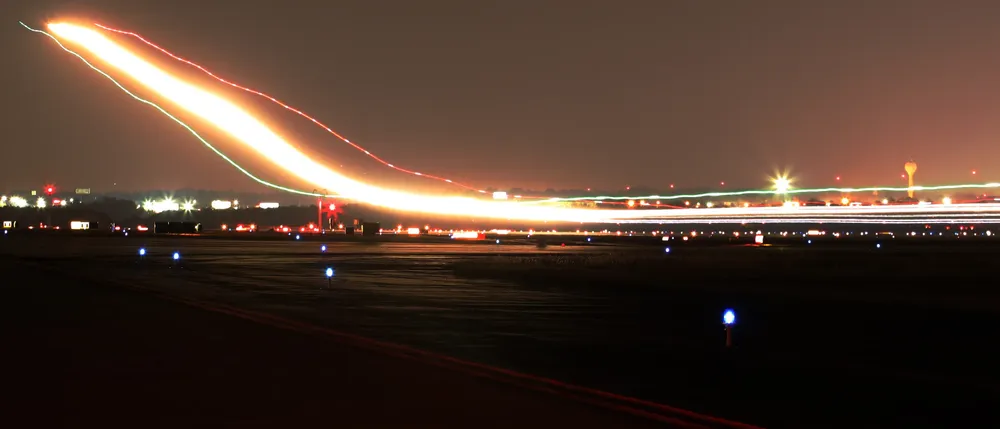
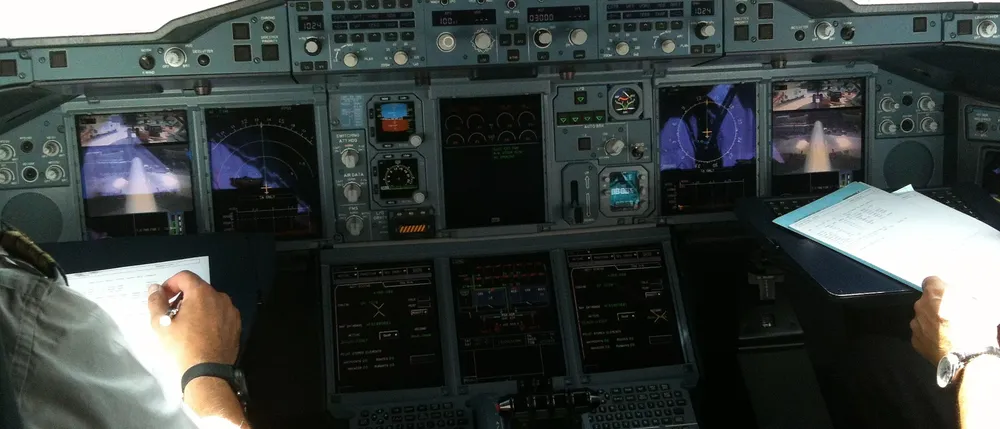
Fly Next
Related Checklists
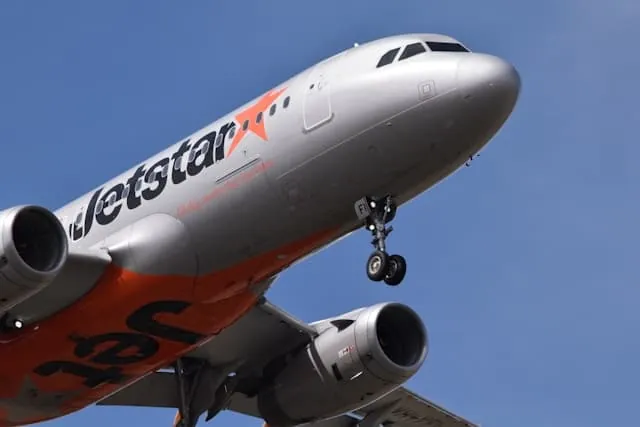
A320neo
The modern, narrow-body standard of efficiency, featuring advanced fly-by-wire precision and a signature sidestick design.
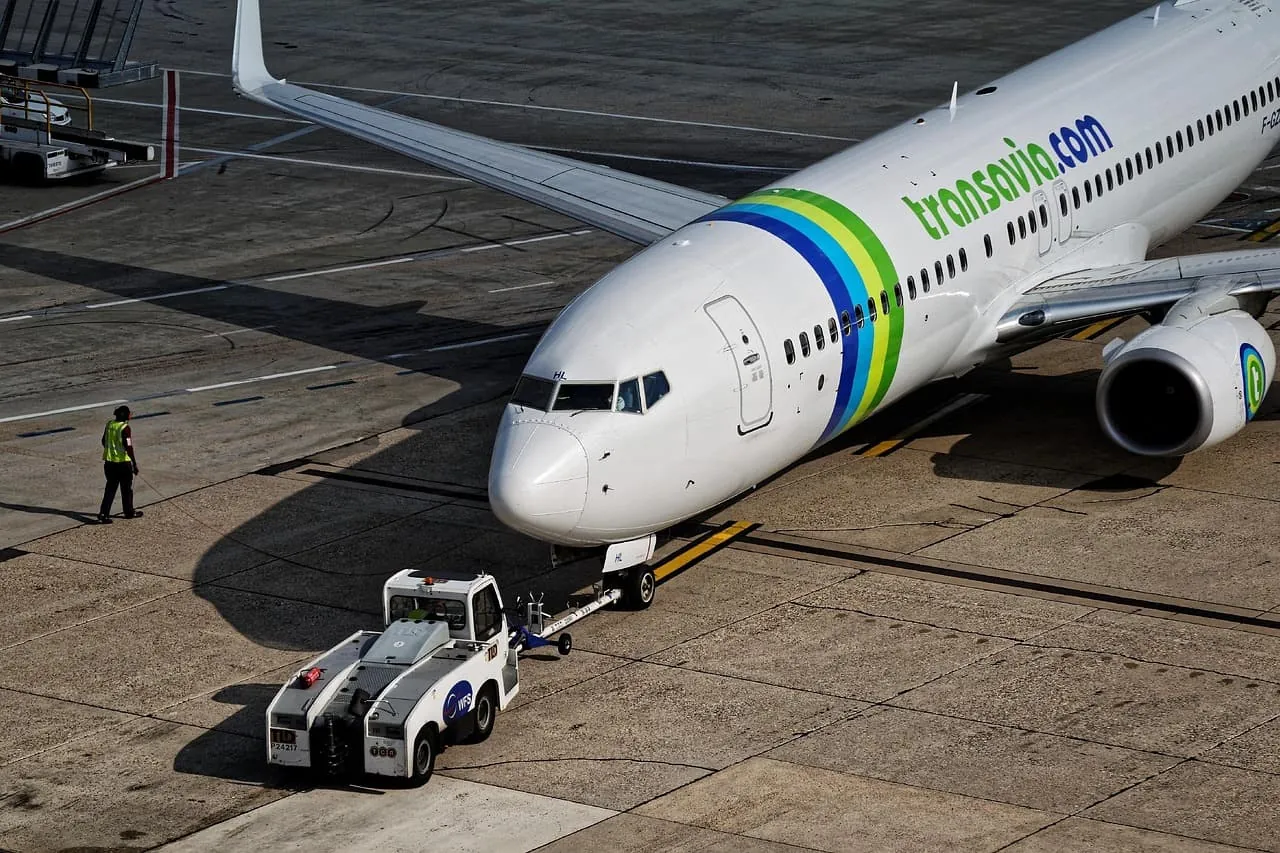
737NG
ALLThe undisputed icon of global aviation, a versatile narrow-body workhorse trusted by airlines worldwide. Procedures cover the 737NG family (-700, -800, -900).
747-8i
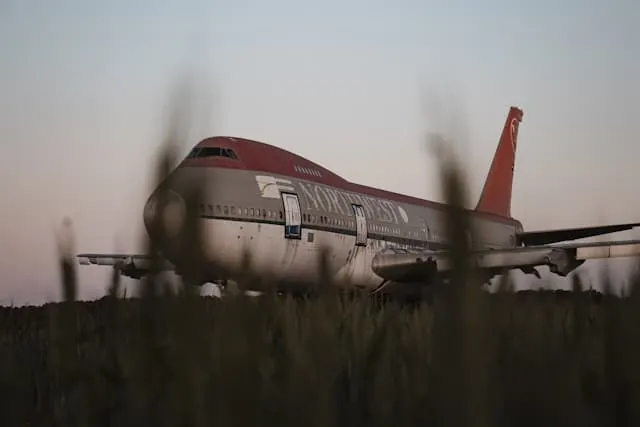
The Queen of the Skies, instantly recognizable by its iconic upper-deck that defined aviation for generations.