Cessna 172 Skyhawk
Updated 8 November 2026
The most produced aircraft in aviation history, celebrated for its legendary reliability and forgiving flight characteristics.
Standard day-to-day procedures for a realistic flight experience.
Preflight
Cockpit Setup
0/7Alternate Static Air: OFF (Lower left subpanel. Used only if the main static port gets blocked, usually by ice. It provides static pressure from inside the unpressurized cabin.)
Power-Up
0/4Avionics Bus Test: TEST (Lower left switch panel. Checks the cooling fans and voltage drops to ensure the avionics buses are functioning correctly.)
Lights: CHECK (Lower left switch panel. Verifying exterior bulbs are functioning before departure.)
Pitot Heat: TEST (Lower left switch panel. A quick activation during preflight confirms the element gets hot.)
Pre-Start Setup
0/3Engine Start
Pre-Start
0/4Circuit Breakers: IN (Lower left and right subpanels. Pushed in to ensure all electrical circuits are active. Popped breakers are left alone unless essential for flight.)
Electrical Switches: OFF (Lower left switch panel. Ensure no sudden power draw before turning battery on.)
Bat & Alt Master: OFF (Lower left switch panel. The battery half provides initial power, while the alternator half allows the engine to charge the system once running.)
Ignition: OFF (Lower left subpanel. Engaging the starter motor to turn the crankshaft.)
Fuel Shutoff Valve: FULL IN (Center pedestal floor. Must be pushed in to allow fuel to flow to the engine.)
G1000 Power-Up
0/1STBY Battery: HOLD TEST (Lower left switch panel. Arms the backup battery to automatically power essential instruments if the main alternator and battery fail.)
PFD EIS: CHECK (Main instrument panel. Ensuring the primary engine indicators are displaying normally on the glass panel.)
PFD Volts: CHECK (Main instrument panel. Verifying the battery voltage is sufficient to start the engine without external power.)
Engine Start
0/10Priming: AS REQUIRED (Lower center pedestal. For a cold engine, set the AUX Fuel Pump ON and mixture to FULL RICH for about 5 seconds, then back to CUTOFF, then pump OFF. This primes the fuel lines before cranking.)
Before Taxi
After Start Flow
0/7Internal Lights: AS REQUIRED (Lower left and right subpanels. Adjusted for visibility and to preserve night vision.)
Cabin Heat: AS REQUIRED (Lower right subpanel. Uses air heated by the engine exhaust shroud to warm the cabin.)
Fuel Quantity: CHECK (Main instrument panel. Verifying there is enough fuel for the planned flight plus reserves.)
Pitot Heat: AS REQUIRED (Lower left switch panel. Melts ice off the pitot tube to ensure accurate airspeed readings.)
Taxi Setup
0/2Autopilot: PRESELECT (Main instrument panel. Preloading the initial altitude and heading helps manage workload immediately after takeoff.)
Taxi
Taxi Flow
0/4Before Takeoff
Engine Runup
0/7Fuel Quantity: CHECK (Main instrument panel. Verifying there is enough fuel for the planned flight plus reserves.)
Vacuum Gauge: CHECK (Main instrument panel. Ensures the vacuum pump is providing enough suction to spin the gyroscopic instruments like the attitude indicator.)
Amps: CHECK (Main instrument panel. A positive charge indicates the alternator is supplying power to the battery and electrical systems.)
Annunciations: CHECK (Main instrument panel. Verifying no warning or caution alerts are active on the display panel before takeoff.)
Full Throttle Runup: PERFORM (Lower center pedestal. Advance throttle to full and verify 2300–2400 RPM. Above 3000 ft density altitude, lean the mixture first to achieve max RPM. Confirms the engine produces full static power.)
Lineup
0/11Autopilot: PRESELECT (Main instrument panel. Preloading the initial altitude and heading helps manage workload immediately after takeoff.)
Pitot Heat: AS REQUIRED (Lower left switch panel. Melts ice off the pitot tube to ensure accurate airspeed readings.)
Cabin PWR 12V: OFF (Right instrument panel. Disconnecting auxiliary power ensures no unnecessary electrical drain during critical phases.)
WX Radar: AS DESIRED (Main instrument panel. Checking for nearby precipitation or storms. Most 172s use datalink weather rather than an onboard radar dish.)
Takeoff
Takeoff Roll
0/5After Takeoff / Climb
Initial Climb
0/4Landing Lights: AS DESIRED (Lower left switch panel. Often left on for visibility to other aircraft in busy airspace.)
Cruise
Cruise Monitoring
Cruise Power: SET (Lower center pedestal. Adjusted using the throttle to reach a desired RPM, usually between 2100 and 2400 for a mix of speed and fuel efficiency.)
Mixture: LEAN (Lower center pedestal. Lean slightly at altitude for efficiency.)
Descent
Descent Prep
0/3GPS Approach: SET (Main instrument panel. Loading the approach procedure in the GPS guides the autopilot and flight director.)
Descent
0/2Approach
Approach
0/9Go-Around
Go-Around
0/5After Landing
After Landing Flow
0/6Pitot Heat: OFF (Lower left switch panel. Off on ground — prevents heating element burning out.)
WX Radar: OFF (Main instrument panel. Turned off to prevent battery drain or ground interference.)
Shutdown & Secure
Shutdown
0/10Fuel Selector: LOWER WING (Center pedestal floor. Selecting the lower wing tank when parked on an incline prevents fuel from cross-feeding and venting overboard.)
About this checklist
- Aircraft
- The Cessna 172 Skyhawk that comes with Microsoft Flight Simulator (MSFS). It's the version with the G1000 glass cockpit. The version with classic round gauges differs in the avionics steps.
- Covers
- 13 phases, from preflight to shutdown and secure.
- Modes
- 138 items in Full mode, 104 in Normal and 28 in Quick.
- Updated
- 8 November 2026
- Corrections
- If a step is wrong, missing or out of order, use Report Inaccuracy at the top of the page. Reports go straight to the maker, and fixes are listed in the changelog.
- Use
- For flight simulation only. Never use it for real-world flying.
Fly Next
Related Checklists
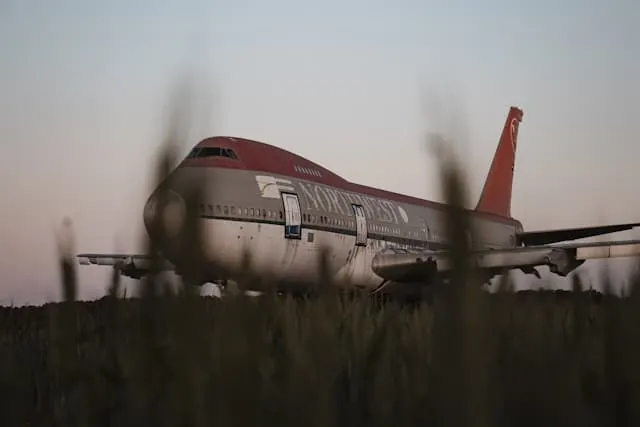
747-8i
The Queen of the Skies, instantly recognizable by its iconic upper-deck that defined aviation for generations.
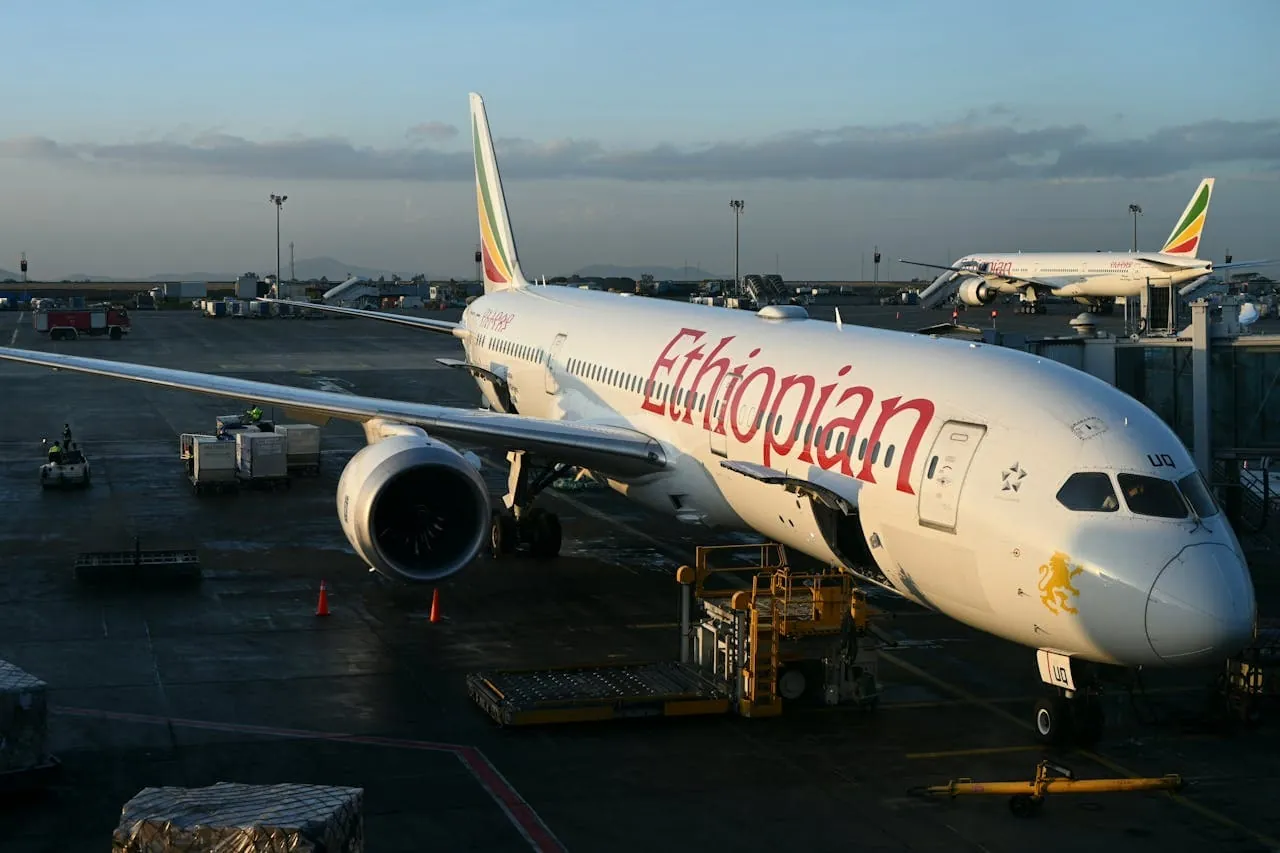
787-10
A revolutionary composite wide-body packed with groundbreaking technology.
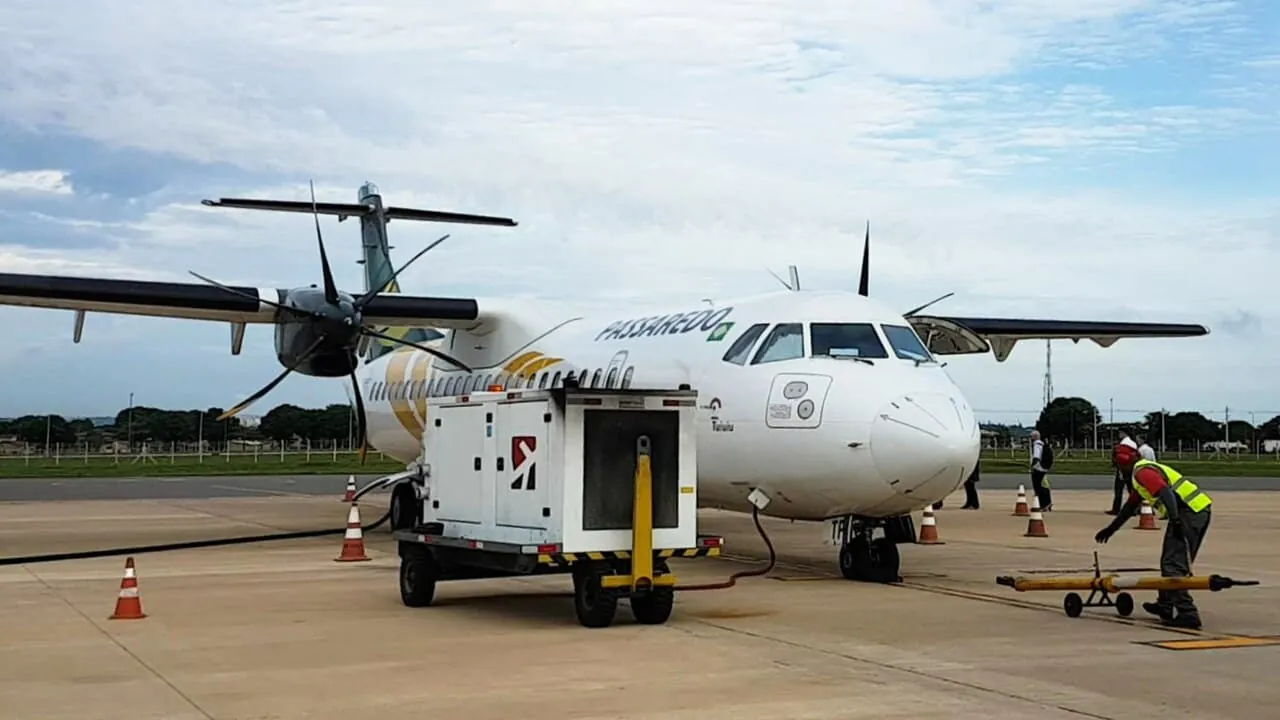
ATR 42/72-600
A rugged regional workhorse of a turboprop built for short-field performance, serving routes from island hops to mountain airstrips.