Milviz Cessna 310R
Updated 8 November 2026
A proven light twin with retractable gear, counter-rotating props, and tip tanks, delivering serious cross-country capability.
Standard day-to-day procedures for a realistic flight experience.
Preflight
Cockpit Setup
0/2All Switches: Off (All panels. Verify all switches off before applying battery power.)
Circuit Breakers: In (Lower panel. All breakers pushed in.)
Landing Gear Switch: Down (Center panel. Confirms the gear handle matches the weight-on-wheels state before power-up.)
Trim Tabs: Neutral (Center pedestal. Elevator, rudder, and aileron trim all set to neutral before start.)
Power-Up
0/4Landing Gear Lights: 3 Green (Main panel. Three green lights confirm all gear are down and locked.)
Engine Start
Pre-Start Flow
0/7Engine Start
0/5After Start Flow
0/4Before Takeoff
Taxi Flow
0/3Flight Controls: Free & Correct (Yoke and pedals. Full deflection in all axes to confirm no restrictions or binding.)
Flight Instruments: Check (Main panel. Cross-check heading indicator, attitude, and turn coordinator during taxi.)
Run-Up
Parking Brake: Set (Center pedestal. Hold the aircraft firmly for the high-power engine checks.)
Mixtures: Full Rich (Center pedestal. Full rich or leaned for field elevation before run-up power.)
Propellers: Full Forward (Center pedestal. Fine pitch for maximum RPM during magneto checks.)
Throttles: 1700 RPM (Center pedestal. Run-up power for magneto and system checks.)
Magnetos: Check (Left panel. Max 150 RPM drop per mag, max 50 RPM difference between L and R.)
Propellers: Check (Center pedestal. Cycle to feather (1200 RPM), then back to full forward. Confirms governor operation.)
Engine Instruments: Check Green (Main panel. All indications within green arcs before returning throttles to 1000 RPM.)
Vacuum System: Check (Main panel. Verify 4.75–5.25 inHG.)
Alternators: Check (Left panel. Amp meter selector to each alternator position. Verify positive load, confirming each alternator is charging the bus.)
Lineup
0/8Alternate Air: In (Right of center console. Verify alternate induction air controls are in the normal (IN) position before takeoff.)
Anti-Ice: As Required (Left panel. Activate engine and prop anti-ice if flying into visible moisture near freezing temperatures.)
Takeoff
Takeoff Roll
0/4After Takeoff / Climb
Initial Climb
0/7Passing 10,000 ft
0/3Cruise
Cruise Monitoring
0/4Aux Fuel Pumps: As Required (Center pedestal. LOW during tank switching. Otherwise off unless fuel flow fluctuates.)
Descent
Descent Prep
0/3Descent
0/3Approach
Approach Setup
0/3Alternate Air: In (Right of center console. Confirms alternate air controls in normal position.)
Configuration
0/5Landing
Landing
Landing Gear: 3 Green (Center panel. Final confirmation of three green gear-down-and-locked lights before threshold.)
Throttles: Idle (Center pedestal. Slowly retard at ~30 ft AGL. Maintain slight power until touchdown, then idle.)
Shutdown & Secure
After Landing Flow
0/5Cowl Flaps: Pushed In (Center pedestal. Pushed in = fully open. Allows engines to cool during taxi to parking.)
Shutdown
0/7Secure
Fuel Selectors: Off (Center pedestal. Fuel selectors OFF.)
Control Locks: Install (Yoke and pedals. Install control locks.)
About this checklist
- Aircraft
- Milviz's Cessna 310R add-on for Microsoft Flight Simulator (MSFS).
- Covers
- 10 phases, from preflight to shutdown and secure.
- Modes
- 102 items in Full mode, 77 in Normal and 22 in Quick.
- Updated
- 8 November 2026
- Corrections
- If a step is wrong, missing or out of order, use Report Inaccuracy at the top of the page. Reports go straight to the maker, and fixes are listed in the changelog.
- Use
- For flight simulation only. Never use it for real-world flying.
Fly Next
Related Checklists
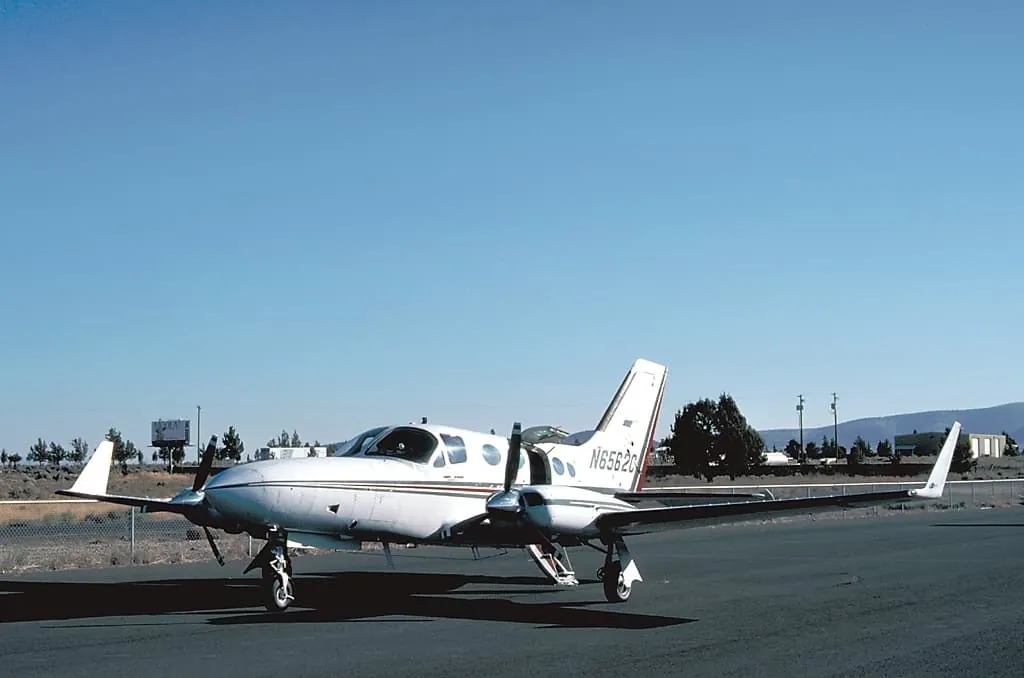
414AW
A turbocharged aircraft capable of 30,000 ft with a full complement of passengers, offering jet-like range in a piston twin.
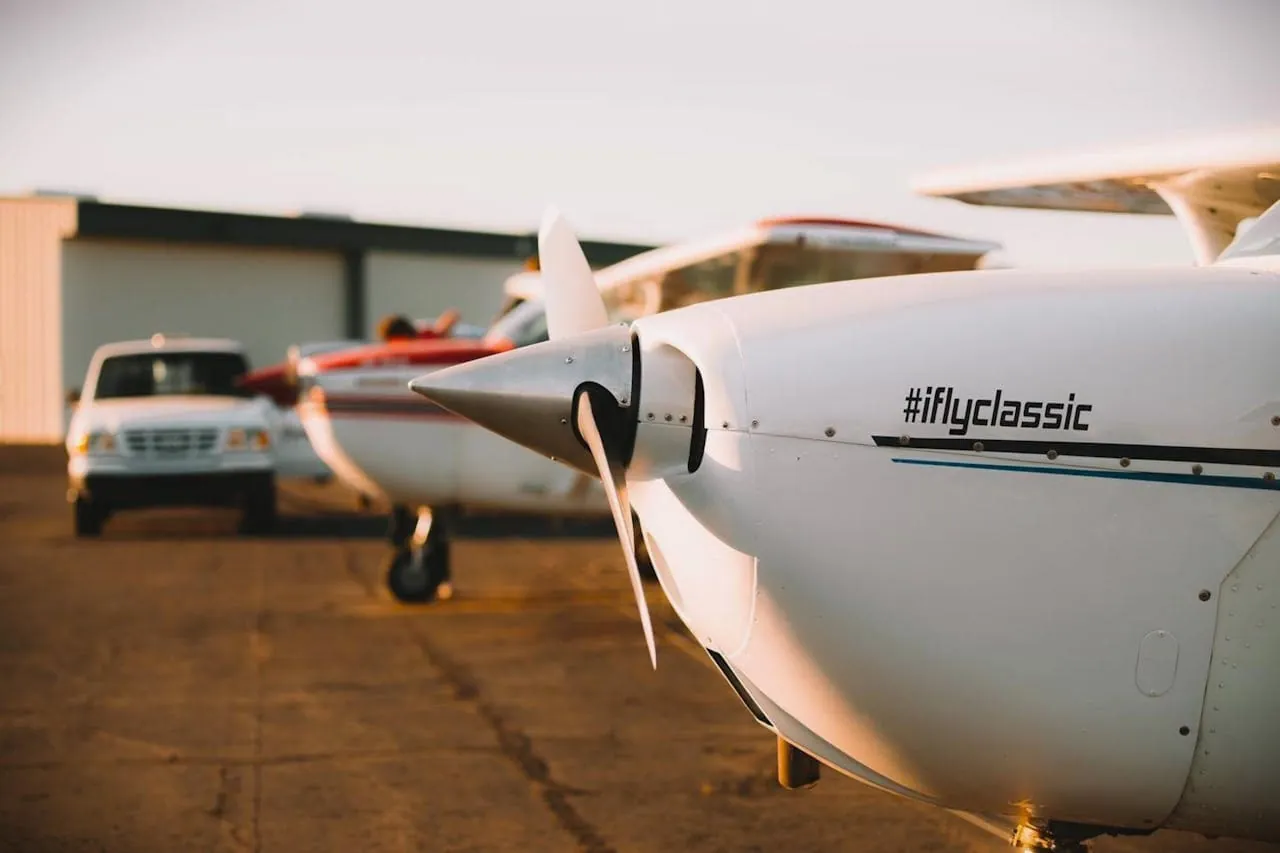
172 Skyhawk
The most produced aircraft in aviation history, celebrated for its legendary reliability and forgiving flight characteristics.
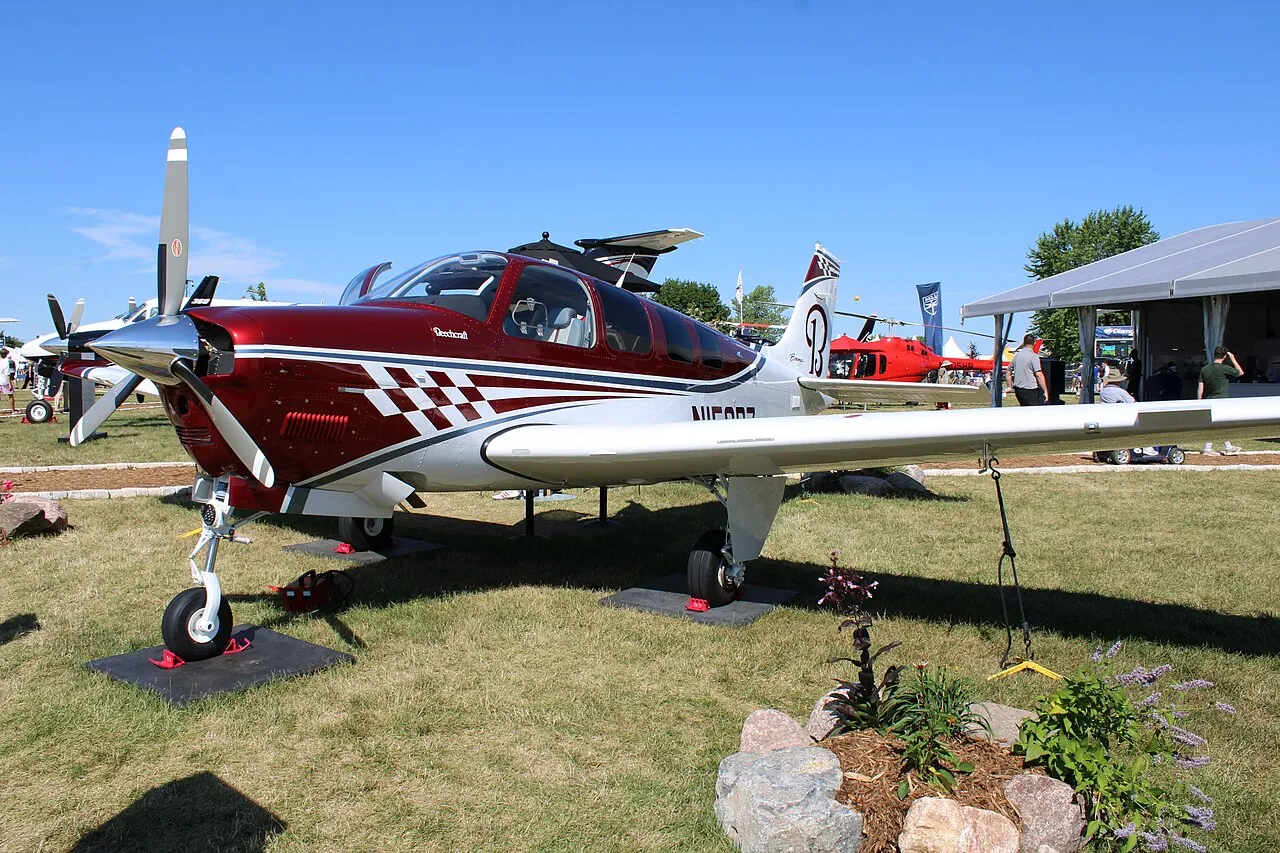
Bonanza G36
Retractable-gear single-engine piston with a PFD and MFD glass cockpit. Max takeoff weight 3,650 lbs, max altitude 18,500 ft, range about 900 NM.